

Resin Terminology Explained: Key Terms for Artists
- Nima
- Jan 1
- 7 min read


Most American hobbyists are surprised to learn just how many types of resin and curing terms can impact their art projects. Getting familiar with these definitions helps artists create clearer, longer-lasting pieces and avoid common frustrations. Whether you work with natural pine resin or modern epoxy, understanding the basics behind these materials gives your creativity more control and confidence. This guide explains the core resin vocabulary every American resin artist should know, helping you improve your results and troubleshoot with ease.
Table of Contents
Key Takeaways
Point | Details |
Understanding Resin Types | Artists should be familiar with different resin types such as epoxy, polyurethane, polyester, and UV to choose the best option for their projects. |
Safety Protocols Are Essential | Implementing safety measures like wearing gloves and ensuring proper ventilation is crucial to avoid health risks when working with resin. |
Correct Mixing Is Critical | Accurate measurement of resin and hardener is vital for ensuring proper curing and achieving desirable project results. |
Troubleshooting Techniques | Artists should develop strategies to address common resin issues like uncured spots or surface imperfections for higher quality outcomes. |
What Resin Is and Common Terms
Resin is a versatile material that bridges art and chemistry, transforming from a liquid state into solid forms through remarkable molecular interactions. Resin is a thermoplastic polymer that is extremely resilient and versatile, originating from both natural and synthetic sources with a rich history dating back to the late 1930s.
At its core, resin represents a specialized substance capable of converting from a fluid state into a durable, stable material. Artists and craftspeople work with two primary types: natural resins harvested directly from plants like pine and synthetic resins engineered for specific creative purposes. Epoxy resin, the most popular variant among artists, consists of two components - a resin and a hardener - that chemically react when mixed, creating a robust and clear material perfect for various artistic applications.
Understanding the fundamental properties of resin is crucial for successful project outcomes. Key characteristics include its ability to capture intricate details, its transparency, and its potential for embedding objects. When mixed correctly, resin can replicate textures with extraordinary precision, making it a favorite medium for jewelry makers, sculptors, and decorative artists seeking to create unique, personalized pieces.
Pro tip: Always work in a well-ventilated area and wear protective gloves when handling resin to ensure safe and successful artistic exploration.
Types of Resin Used in Art Projects
Various types of resin are used in art projects, each offering unique properties and creative possibilities. The most common varieties include epoxy, polyurethane, polyester, and UV resins, with each type designed to meet specific artistic requirements and project goals.
Epoxy resin stands out as the most versatile and popular choice among artists. Known for its exceptional clarity and durability, it allows creators to produce stunning, glass-like finishes with remarkable detail. Polyurethane resin offers greater flexibility and impact resistance, making it ideal for sculptural work and objects requiring more structural resilience. Polyester resin, typically used in boat building and industrial applications, has found a niche in artistic casting and modeling due to its quick curing time and affordability.
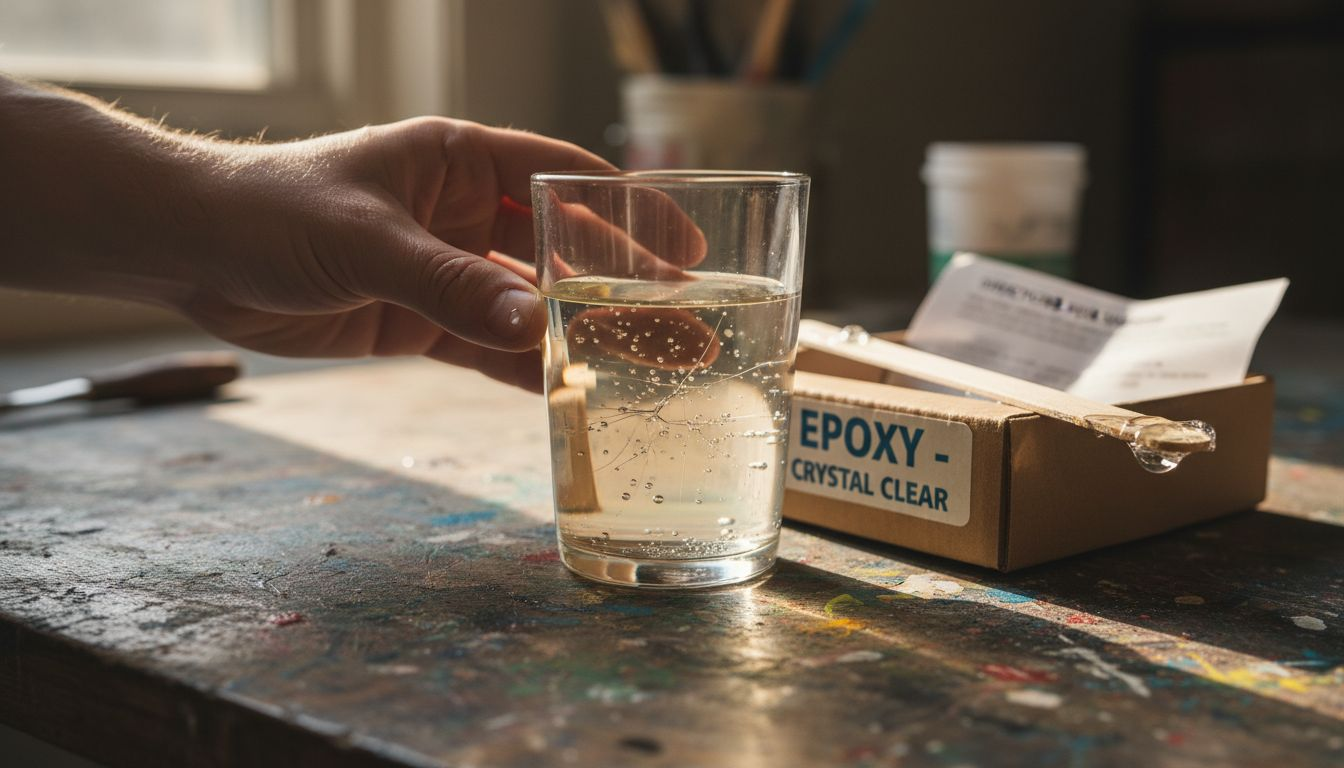
UV resin represents a revolutionary option for artists seeking rapid project completion. This specialized resin cures almost instantly when exposed to ultraviolet light, enabling precise and swift creative processes. Artists working on small, intricate pieces like jewelry or miniature sculptures particularly appreciate its quick-setting properties. Each resin type demands specific handling techniques, understanding of mixing ratios, and protective equipment to ensure optimal results.
Pro tip: Always test a small batch of resin on scrap material to understand its specific working characteristics before committing to a full artistic project.
Here’s a comparison of common art resin types and their applications:
Resin Type | Best For | Unique Benefit | Typical Drawback |
Epoxy | Jewelry, decorative art | Crystal-clear finish | Long curing time |
Polyurethane | Sculptures, models | High impact resistance | Sensitive to moisture |
Polyester | Large castings, modeling | Fast cure, affordable | Strong odor, brittle |
UV | Miniatures, quick fixes | Instant curing with light | Limited thickness allowed |
Essential Resin Processes and Properties
Synthetic resins undergo complex chemical transformations that convert viscous substances into rigid, durable polymers, fundamentally changing their physical and mechanical properties through precise curing processes. These transformations represent the core of resin’s artistic and industrial applications, enabling creators to manipulate material characteristics with remarkable precision.
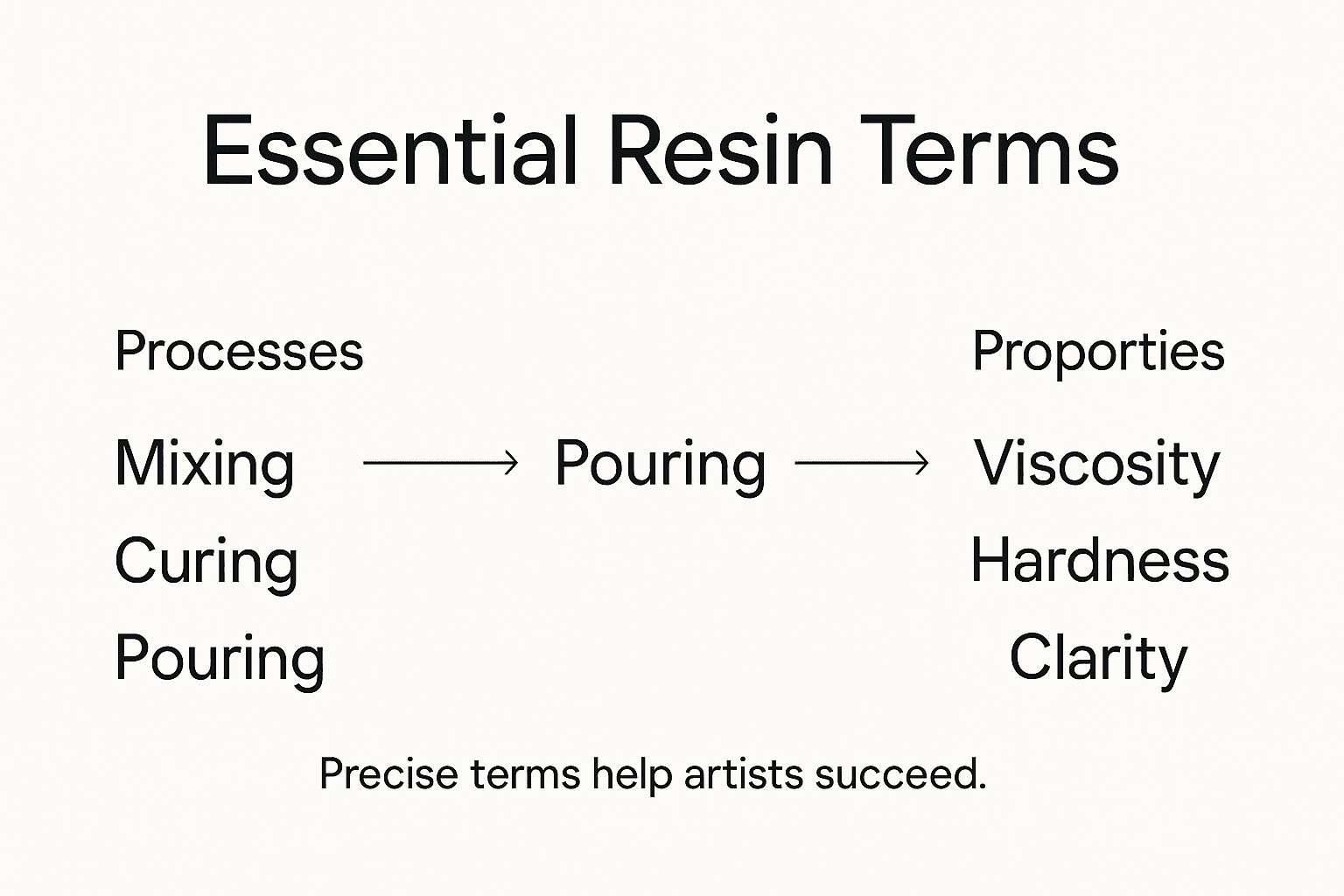
The polymerization process is critical in resin development, involving chemical reactions that link molecular chains to create stronger, more stable structures. Epoxy resins, for instance, utilize a two-part system where prepolymers cross-link when a curing agent is introduced, generating a thermoset polymer with exceptional properties. Key characteristics include low shrinkage during curing, superior adhesion, remarkable chemical resistance, and excellent electrical insulation capabilities.
Two primary curing mechanisms dominate resin processing: thermal and room temperature curing. Thermal curing involves applying heat to accelerate chemical reactions, typically producing faster and more uniform results. Room temperature curing allows for more gradual transformation, giving artists greater working time and flexibility. Artists must understand these processes to control viscosity, working time, and final material properties, selecting the appropriate technique based on their specific project requirements and desired aesthetic outcomes.
Pro tip: Always measure your resin and hardener components precisely using calibrated tools to ensure consistent chemical reactions and optimal material performance.
Health, Safety, and Legal Requirements
ASTM D4236-94 provides the standard practice for labeling art materials to protect consumers from potential chronic health hazards, establishing critical guidelines for resin product safety and consumer protection. This federal standard mandates comprehensive toxicological evaluations to identify potential risks associated with art materials, including allergenic responses, organ damage potential, and long-term health implications.
Resin artists must prioritize personal protection by implementing rigorous safety protocols. Critical protective measures include wearing nitrile gloves, working in well-ventilated spaces, using respiratory protection, and understanding the specific chemical composition of their chosen resin. Different resin types present varying levels of risk, with some formulations requiring more extensive safety precautions than others. Potential hazards include skin irritation, respiratory complications, and potential sensitization with repeated exposure.
Legal requirements extend beyond personal protective equipment, encompassing proper material storage, disposal, and documentation. Artists should maintain safety data sheets for all resin products, understand local environmental regulations regarding chemical waste, and ensure proper labeling of materials. Particular attention must be paid to storage conditions, keeping resins away from heat sources, direct sunlight, and potential ignition points. Professional artists and hobbyists alike must recognize that safety is not optional but a fundamental aspect of responsible artistic practice.
Pro tip: Invest in a dedicated safety kit with chemical-resistant gloves, safety glasses, and a respirator specifically rated for organic vapors before beginning any resin project.
Below is a summary of key safety steps for resin artists:
Safety Measure | Purpose | How to Implement |
Wear nitrile gloves | Prevent skin irritation | Use every time when mixing |
Ensure ventilation | Reduce chemical inhalation risk | Work near open windows/fans |
Store properly | Avoid fire and health hazards | Keep away from heat and sunlight |
Keep safety data sheets | Reference emergency information | File with resin supplies |
Mistakes to Avoid and Troubleshooting
Common resin art mistakes can significantly impact project outcomes, with critical errors often stemming from improper mixing techniques and environmental conditions. Understanding these potential pitfalls is essential for artists seeking consistent, professional results in their resin creations.
The most prevalent issues arise from incorrect resin-to-hardener ratios, which can prevent proper curing and lead to tacky, unfinished surfaces. Artists must meticulously measure components, using precise digital scales and following manufacturer guidelines exactly. Temperature and humidity play crucial roles in resin performance temperature below 70 degrees Fahrenheit can dramatically slow curing, while high humidity can introduce microscopic imperfections that compromise the final finish.
Troubleshooting strategies require systematic approaches to identifying and resolving common problems. Soft spots or uncured areas demand careful intervention, such as light sanding and targeted recoating. Trapped dust or debris can create surface imperfections, necessitating careful workspace preparation and using protective covers during curing. Professional artists recommend maintaining a dedicated, clean workspace with consistent temperature and minimal air movement to minimize potential complications during the resin curing process.
Pro tip: Create a small test piece before starting your main project to verify resin mixing ratios and curing conditions in your specific workspace environment.
Master Resin Terminology and Elevate Your Art with the Right Supplies
Understanding key resin terms like epoxy, curing, and polymerization is essential to avoid common mistakes and achieve perfect results in your resin projects. Whether you are tackling detailed jewelry pieces or larger decorative art, mastering these concepts empowers you to make confident creative choices and ensures your resin cures flawlessly without sticky surfaces or imperfections. These challenges are real for many artists but are easy to overcome with the right knowledge and materials.
Take control of your resin art journey today by exploring our high-quality resin varieties and accessories at Krystal Resin. We offer a wide selection of products tailored specifically for artists and hobbyists who want crystal clear finishes, fast curing options, and project safety supplies. Visit our website now to discover expert-grade materials and enjoy free shipping on orders over a certain amount. Start transforming your resin concepts into stunning works of art with confidence and ease.
Frequently Asked Questions
What is resin and how is it used in art?
Resin is a versatile thermoplastic polymer that transforms from a liquid to a solid state. It is commonly used by artists for creating jewelry, sculptural pieces, and decorative art due to its ability to capture intricate details and offer a clear finish.
What types of resin are commonly used in artistic projects?
The most common types of resin used in art are epoxy, polyurethane, polyester, and UV resin. Each type has unique properties suited for different applications, such as epoxy for jewelry and decorative art, and UV resin for quick projects like miniature sculptures.
How do I ensure proper mixing and curing of resin?
To ensure proper mixing and curing, meticulously measure the resin and hardener using calibrated tools and follow the manufacturer’s instructions for the correct ratios. Also, maintain the appropriate temperature and humidity levels to facilitate the curing process.
What are some common mistakes to avoid when working with resin?
Common mistakes include incorrect resin-to-hardener ratios leading to tacky surfaces, and environmental factors like low temperatures or high humidity affecting curing. To avoid these, always measure accurately and maintain a clean, controlled workspace.
Recommended
Comments