

Why Choose Resin Art: Transformative Benefits for Creatives
- Paula Lindsay
- Jan 21
- 7 min read
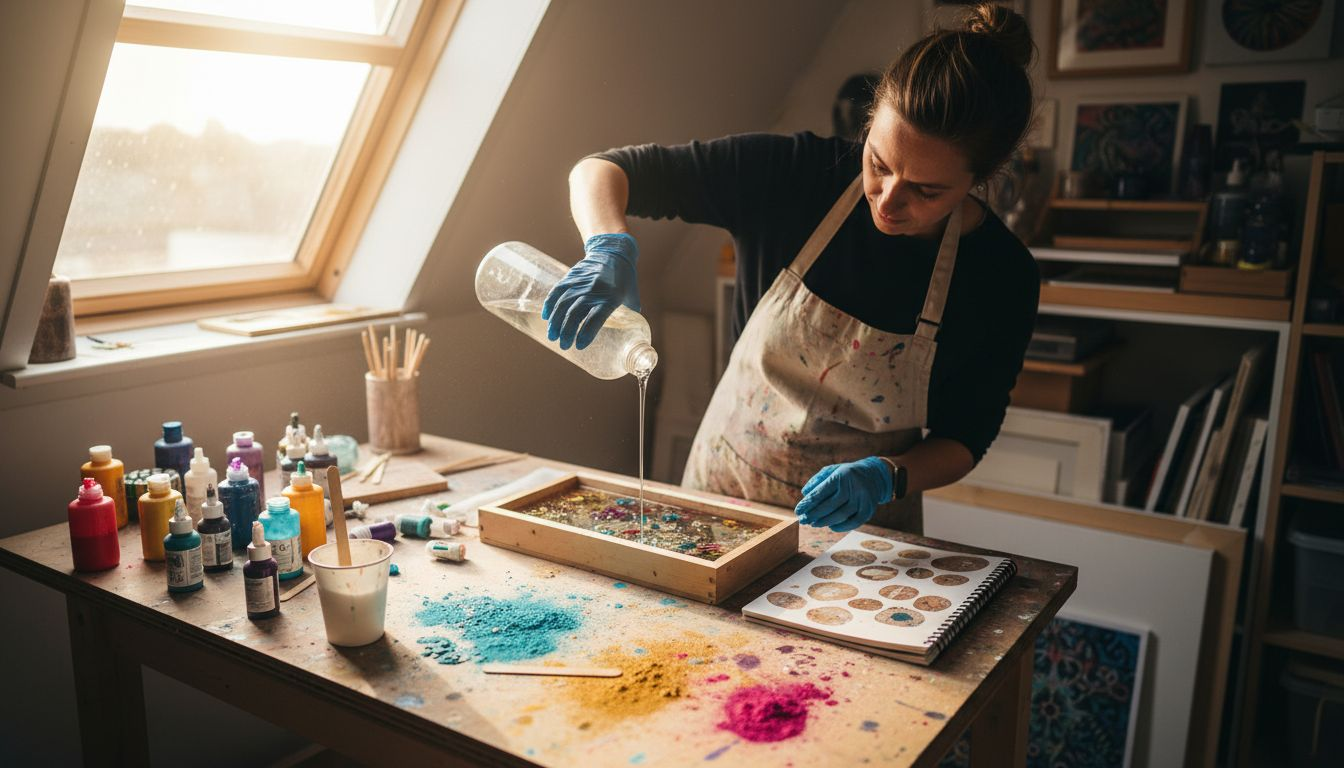
Finding the right mix of creativity and reliable materials can be a challenge when you want your resin art to stand out in any American home. For artists ready to take their projects further, epoxy resin’s unique ability to create durable, crystal-clear surfaces helps transform simple ideas into functional and eye-catching décor. This overview explains what resin art is, how it works, and how understanding material choices can save time and make your next home décor piece truly unique.
Table of Contents
Key Takeaways
Point | Details |
Resin Art Process | Resin art involves mixing a liquid resin and hardener to create durable, glass-like compositions. |
Safety Measures | Proper safety gear, including gloves and masks, is crucial when working with uncured resin. |
Types of Resin | Different resin types serve unique applications; epoxy is beginner-friendly, while UV resin is for detailed work. |
Creative Possibilities | Resin enables embedding objects and crafting unique artworks, utilizing various pigments and additives. |
What Is Resin Art and How It Works
Resin art is a transformative creative technique that uses epoxy resin’s unique properties to produce stunning visual compositions and functional artwork. At its core, resin art involves mixing a two-part solution of liquid resin and hardener that chemically transforms into a durable, glass-like material through a precise curing process.
The artistic technique allows creators to craft intricate designs across multiple mediums - from jewelry and decorative sculptures to functional home decor and professional-grade artwork. Artists manipulate the resin’s fluid nature by adding pigments, metallic powders, and other additives to create depth, translucency, and extraordinary visual effects. The material’s versatility means you can embed objects, create layered designs, or produce glossy, crystal-clear surfaces that capture light in mesmerizing ways.
Working with resin requires careful preparation and technique. Artists must mix the resin and hardener in precise ratios, controlling temperature and working environment to ensure optimal results. Safety is paramount - uncured resin requires protective gear like gloves and face masks to prevent skin irritation. Once fully cured, the resin becomes chemically inert, creating a durable surface that can withstand heat, cold, and everyday wear.
Pro tip: Always work in a well-ventilated space with consistent room temperature between 70-80 degrees Fahrenheit to achieve the most reliable resin curing results.
Popular Resin Types and Application Methods
Artists and craftspeople have several synthetic resin options for creating unique artwork, each with distinct characteristics and ideal applications. The primary resin types include epoxy, polyurethane, polyester, acrylic, and UV resins, each offering unique properties that make them suitable for different creative projects.
Epoxy resin remains the most versatile and beginner-friendly option, featuring longer cure times that allow artists more working flexibility. It excels in creating river tables, charcuterie boards, and decorative pieces with deep, glossy finishes. Polyurethane resin provides faster curing times, making it excellent for smaller projects like pen blanks and intricate handle designs. Polyester resin cures quickly and polishes beautifully, though it comes with a stronger odor that requires excellent ventilation during use.
UV resin represents a specialized category that remains liquid until exposed to ultraviolet light, making it perfect for detailed inlay work and miniature sculptures. Artists can manipulate these resins by incorporating pigments, metallic powders, and embedding objects to create truly unique compositions. Each resin type requires specific techniques, including precise measurement, appropriate safety gear, and understanding of curing processes.
Pro tip: Invest in a digital scale with gram precision to ensure accurate resin-to-hardener ratios, which are critical for achieving consistent and professional-quality results in your artwork.
Here’s a summary of popular resin types and their best applications:
Resin Type | Ideal Use Cases | Notable Properties |
Epoxy | River tables, charcuterie boards | Long working time, glossy finish |
Polyurethane | Pen blanks, handles | Rapid curing, tough material |
Polyester | Sculptures, polished decor | Fast cure, strong fumes |
UV | Inlays, miniatures | Cures with UV light, detail work |
Acrylic | Surface coatings | Good clarity, lower odor |
Creative Possibilities With Resin Projects
Resin art unleashes extraordinary creative potential, offering artists an expansive canvas for innovative artistic expression. From intricate jewelry to large-scale functional art pieces, resin transforms ordinary materials into extraordinary works that capture light, color, and imagination in unique ways. Artists can embed objects, create multilayered compositions, and produce surfaces ranging from high-gloss finishes to textured, three-dimensional landscapes.
Woodworking and craft enthusiasts particularly appreciate resin’s versatility in creating hybrid projects. Techniques like wood stabilization allow makers to incorporate resin into woodturning, generating stunning pen blanks, bowl designs, and decorative handles that combine natural wood grain with vibrant, translucent resin elements. By carefully selecting wood types and managing moisture content, artists can produce pieces that showcase both the organic beauty of wood and the dynamic potential of resin.

The creative possibilities extend far beyond traditional artistic mediums. Resin enables artists to create protective coatings for artwork, develop unique home decor items, craft personalized jewelry, and even produce functional objects like cutting boards, light fixtures, and wall art. Pigments and additives open up endless color variations, including metallic finishes, marbled effects, and even glow-in-the-dark compositions that transform under different lighting conditions.
Pro tip: Experiment with small test pieces and different embedding techniques before committing to larger projects to understand how materials interact and develop your unique artistic style.
Essential Tools, Materials, and Safety Tips
Successful resin art requires careful preparation and comprehensive safety considerations. Artists need a specific set of tools and materials to create professional-quality projects, including precision measuring equipment, specialized molds, and protective gear. Essential tools include digital scales for accurate resin-to-hardener ratios, silicone or high-density polyethylene (HDPE) molds, mixing cups, stir sticks, and pressure pots for eliminating air bubbles.
Safety is paramount when working with resin, demanding a strategic approach to personal protection. Artists must invest in high-quality personal protective equipment, including chemical-resistant gloves, safety glasses or face shields, and respiratory protection like respirators with organic vapor cartridges. Proper ventilation is critical - working in a well-ventilated space or using exhaust fans helps minimize exposure to potentially harmful resin fumes. Additional safety precautions include wearing long-sleeved clothing, avoiding skin contact, and having a dedicated workspace separate from living areas.
Beyond personal protective equipment, artists should develop a comprehensive safety protocol. This includes carefully reading material safety data sheets, understanding potential health risks, and establishing a clean workspace with dedicated cleaning supplies. Proper handling techniques are essential, such as immediately washing any skin exposed to uncured resin and keeping a dedicated set of work clothes that are washed separately from other laundry. Special considerations are necessary for individuals with sensitivities or specific health conditions, particularly pregnant women or those with respiratory issues.
Pro tip: Create a dedicated resin work area with easy-to-clean surfaces, good lighting, and all safety equipment within immediate reach to minimize risks and streamline your creative process.
Comparing Resin Art to Other DIY Crafts
Resin art distinguishes itself from traditional crafting methods through its unique chemical transformation process. Unlike painting, knitting, or woodworking, which rely primarily on physical manipulation, resin art involves a sophisticated polymer chemistry that creates three-dimensional, permanently preserved artworks. The medium offers unprecedented creative freedom, allowing artists to embed objects, create layered compositions, and produce glossy, durable surfaces that transcend traditional craft limitations.
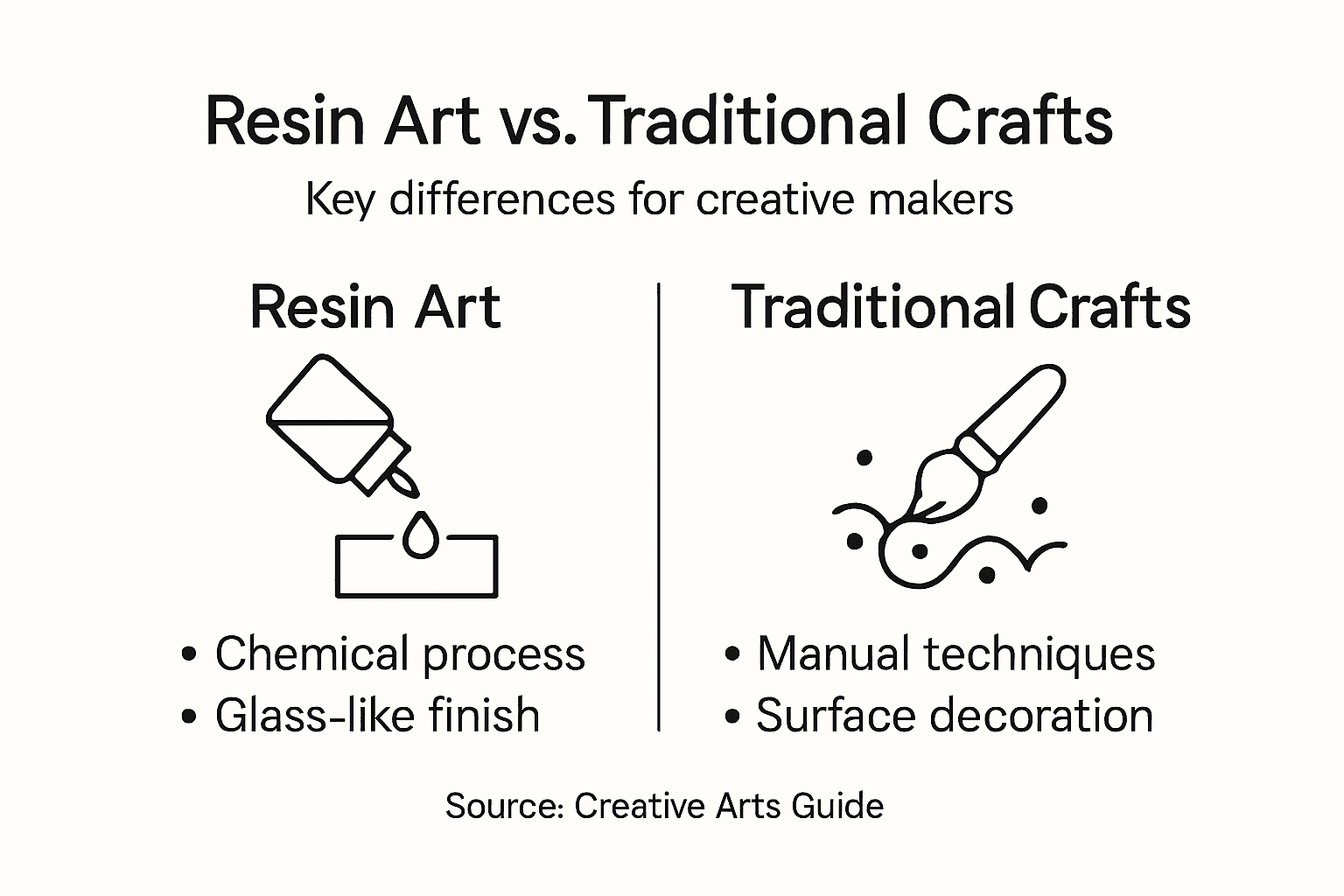
Where traditional crafts often focus on surface decoration, resin art enables complete object transformation. Woodworking, ceramics, and textile crafts typically modify materials through cutting, shaping, or painting, whereas resin art fundamentally encapsulates and preserves materials within a crystal-clear, permanent medium. This approach allows for extraordinary preservation techniques - delicate items like flowers, photographs, or small mementos can be transformed into lasting, displayable art pieces that maintain their original colors and intricate details.
The technical complexity of resin art sets it apart from more accessible crafting methods. While activities like scrapbooking or painting require minimal specialized equipment, resin art demands precise chemical understanding, specialized tools, and strict safety protocols. Artists must master mixing ratios, understand curing processes, and manage potential chemical reactions. This technical depth makes resin art both more challenging and more rewarding, offering a professional-grade crafting experience that goes far beyond hobbyist-level creative expression.
This table compares resin art to traditional DIY crafts across several aspects:
Aspect | Resin Art | Traditional Crafts |
Core Process | Chemical transformation | Physical manipulation |
Preservation Ability | Encapsulates objects | Surface-level decoration |
Equipment Needed | Scales, molds, PPE | Basic hand tools |
Technical Complexity | Requires chemical knowledge | Usually straightforward techniques |
Creative Effects | 3D, glossy, layered finishes | Painted, textured, or sewn finishes |
Pro tip: Start with small, low-stakes resin projects to build confidence and understand material behavior before attempting more complex compositions.
Elevate Your Resin Art with Professional-Grade Supplies
Resin art offers unmatched creative freedom but requires precise materials and tools to realize its full potential. If you struggle with finding dependable resin types, accurate pigments, and safe accessories to bring your visionary projects to life, you are not alone. Every resin artist needs quality products that deliver consistent curing, vibrant effects, and durable finishes while ensuring safety and ease of use.
Krystal Resin understands these challenges and supports your artistic journey with a wide range of premium resin supplies tailored for innovative creators. Whether you are experimenting with epoxy resin for glossy finishes or exploring UV resin for detailed miniatures, you can find all the essentials to master your techniques in one convenient place.
Discover the advantage of shopping with a trusted partner that values your craft. Visit Krystal Resin to explore our comprehensive selection of resin products and accessories designed to enhance your workflow. Start transforming your ideas into stunning resin masterpieces today and take advantage of our free shipping offers and swift delivery options. Dive into your next creative project with confidence by choosing supplies that match your ambition and skill level from Krystal Resin. Your resin art deserves the best support possible.
Frequently Asked Questions
What is resin art?
Resin art is a creative technique that uses a two-part epoxy resin solution to create durable, glass-like artworks. It allows artists to manipulate colors and add different materials for unique visual effects.
What are the safety precautions when working with resin?
When working with resin, it is essential to wear protective gear like gloves, safety glasses, and masks to prevent skin irritation and inhalation of fumes. Always work in a well-ventilated area and follow material safety guidelines.
What are the different types of resin, and how do they compare?
The main types of resin include epoxy, polyurethane, polyester, UV, and acrylic. Epoxy is versatile and great for beginners, while polyurethane cures faster. Polyester is known for its quick curing time but has a stronger odor, and UV resin remains liquid until exposed to ultraviolet light for detailed work.
How can I create layered effects in resin art?
You can achieve layered effects by pouring different colored resins in stages, allowing each layer to partially cure before adding the next. This technique lets you create depth and dimension in your artwork.
Recommended
Comments